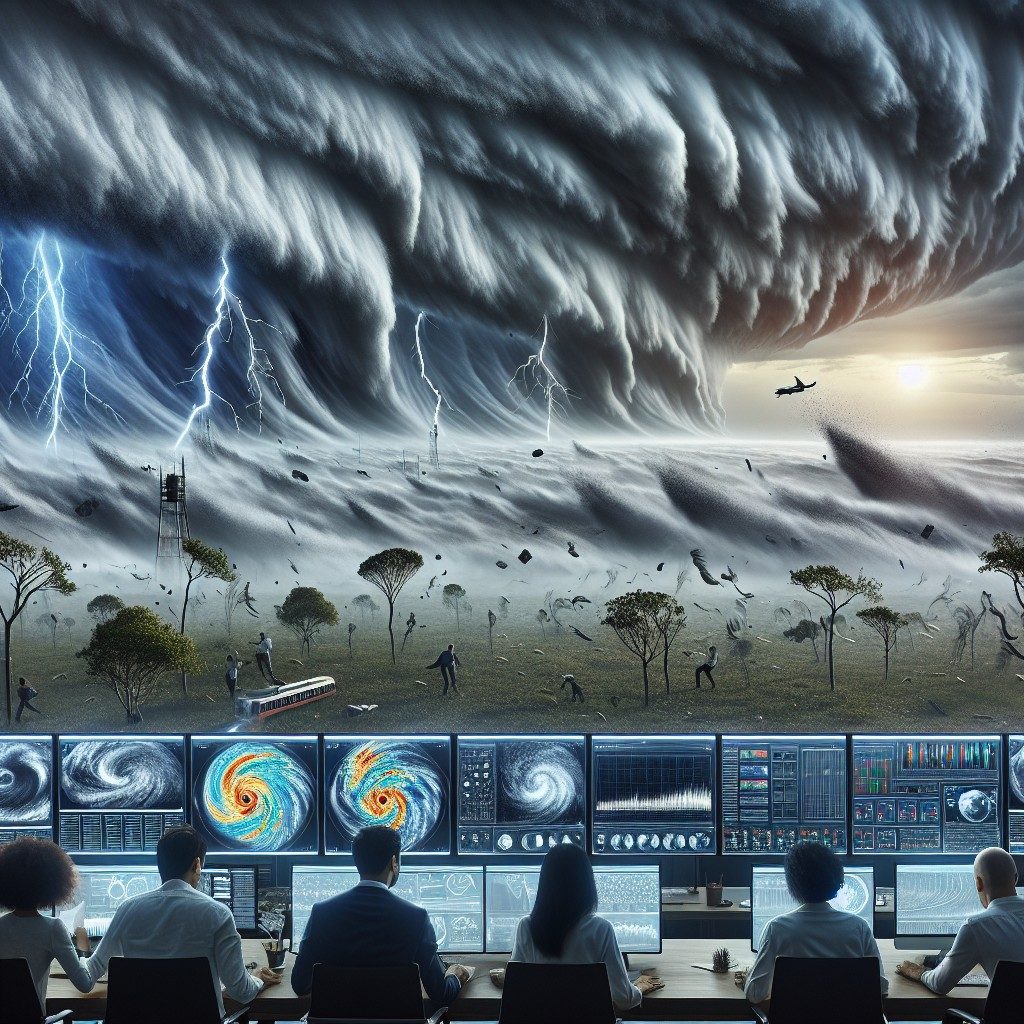
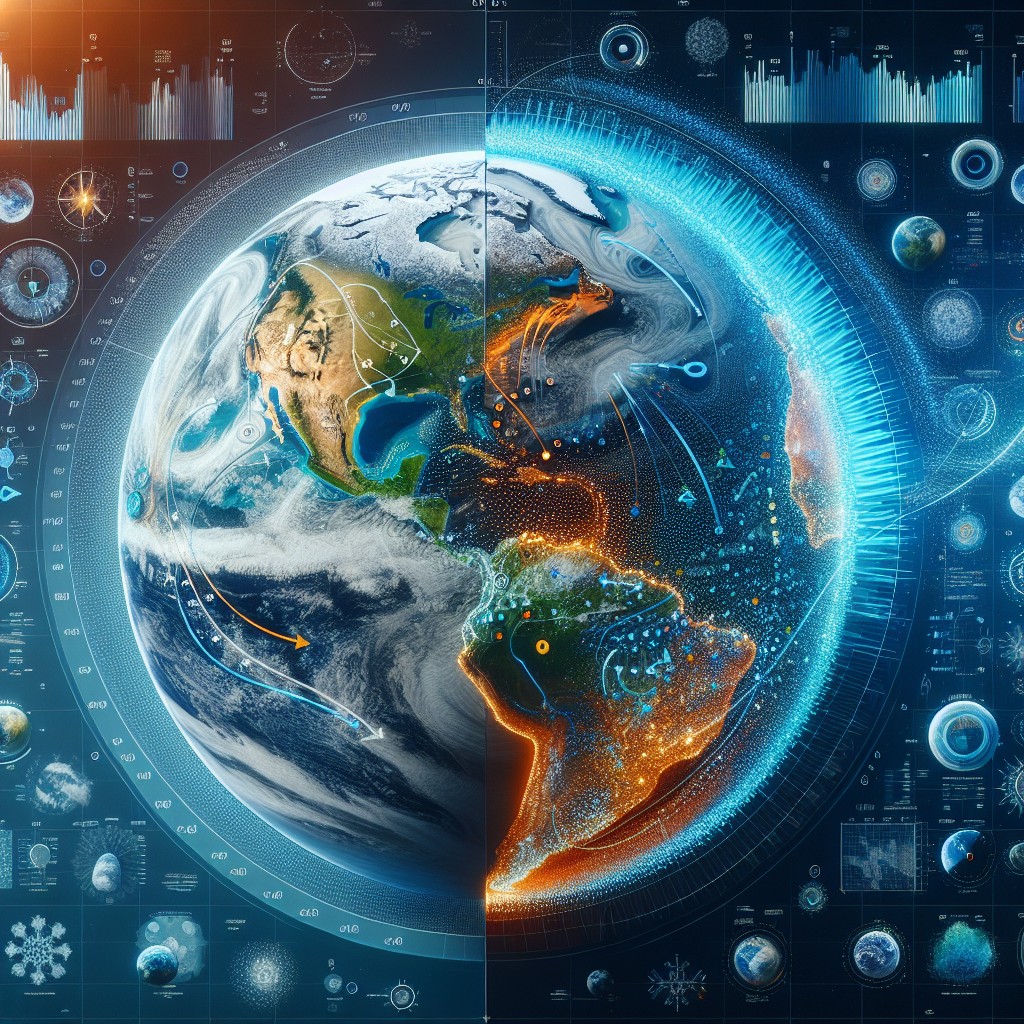
As climate change intensifies, experts are increasingly concerned about the extreme weather patterns expected in 2026. This Climate Analysis examines how global warming is projected to impact weather systems around the world, with predictions highlighting unprecedented phenomena that could disrupt lives and economies.
Rising Temperatures and Unpredictable Weather
The latest climate models suggest that average global temperatures may rise significantly by 2026, which could lead to shifts in weather patterns. Areas previously known for mild climates may face extreme conditions, including intensified heatwaves and severe storms. According to researchers at the National Oceanic and Atmospheric Administration (NOAA), these changes could lead to destabilization of the current weather norms, prompting increased flooding and drought conditions globally.
Impact on Ecosystems and Biodiversity
High-level climate analysis indicates that the expected weather shifts will have dire consequences on ecosystems. Plants and animals that remain unable to adapt to rapid temperature changes may face extinction or significant population declines. For instance, marine biodiversity could be particularly affected, with rising ocean temperatures disrupting fish migrations and coral reefs. Conservationists emphasize the necessity of protecting vulnerable species as climate-related challenges continue to escalate.
Socioeconomic Implications of Climate Change
The socioeconomic ramifications stemming from these weather predictions are profound. The UN has already warned that developing nations may suffer disproportionately from these climate-related events due to their limited resources to adapt and recover. Agriculture could suffer serious shocks, leading to food insecurity in multiple regions. Furthermore, increased natural disasters tied to climate changes could strain emergency services and healthcare systems, as communities grapple with rising costs and damage control.
Conclusion
As we look toward 2026, the insights garnered from comprehensive climate analysis underline an urgent need for global action. Policymakers must focus on implementing effective climate strategies to mitigate the adverse effects forecasted in the coming years. Without decisive intervention, the shocking weather patterns predicted may reshape our future, highlighting the significance of addressing climate change as a critical global issue.
Frequently Asked Questions about Climate Analysis
What is the significance of climate analysis in understanding future weather patterns?
Climate analysis helps scientists predict future weather patterns by examining historical data and climate models, thereby providing insight into potential changes.
How can climate analysis help mitigate natural disasters?
By forecasting extreme weather events, climate analysis can assist in preparing for and reducing the impacts of natural disasters, enhancing resilience in affected communities.
What role does the global community play in climate analysis?
The global community collaborates in climate analysis by sharing research, data, and strategies to address climate change impacts collectively and effectively.
Why are extreme weather events becoming more common according to climate analysis?
Climate analysis indicates that factors such as rising temperatures and changing global weather patterns increase the frequency and severity of extreme weather events.
How often is climate analysis updated by scientists?
Climate analysis is typically updated regularly, with ongoing research and data collection, but comprehensive reports are often released every few years to reflect significant findings.